Planning your next equipment purchase for your farm or ranch? Whether you intend to buy, finance, or lease, you may qualify to take advantage of substantial tax savings under Section 179.
Here’s your guide for navigating the latest on Section 179, bonus depreciation, and other bottom-line-enhancing tools in 2026.
Qualifying purchases
Using the Section 179 deduction, you may be able to write off the entire purchase price of qualifying equipment, subject to applicable deduction limits. Whether brand-new or used, the asset must be new to your business. You can claim Section 179 on equipment only in the year of purchase.
In addition to equipment purchases, other eligible items may include breeding livestock and single-purpose structures, such as grain bins and drainage tile.
Important updates to deduction limits
Under the One Big Beautiful Bill Act (OBBBA), the Section 179 deduction limit was increased and adjusted for inflation. For tax year 2026, businesses may deduct up to $2,560,000 in qualifying purchases. The deduction begins to phase out when the total cost of Section 179 property placed in service during the tax year exceeds $4,090,000.
Bonus depreciation
Bonus depreciation offers another way to accelerate deductions on qualifying equipment.
Under current federal law, qualifying property acquired and placed in service after January 19, 2025, is eligible for 100% bonus depreciation. The OBBBA made the 100% additional first-year depreciation deduction permanent for qualifying property, replacing the scheduled phase-down that existed under prior law.
For eligible property, bonus depreciation is generally calculated after any allowable Section 179 deduction and before regular depreciation.
That distinction can matter when planning a large equipment purchase. Although Section 179 and bonus depreciation can both accelerate deductions, they are subject to different rules and limitations. Consult your tax adviser to determine which option, or combination of options, best fits your operation.
Advantages of leasing equipment with Section 179
Leasing continues to be an effective tool for lowering payments and preserving cash and credit lines. From a tax perspective, two common options are true tax leases and conditional sales leases.
By opting for a true tax lease, you may be able to take advantage of a consistent write-off over the course of the lease rather than accelerating eligible deductions into the first year.
In contrast, a conditional sales lease enables you to take depreciation just like a loan while benefiting from lower lease payments, making it an attractive option if you’re looking to improve cash flow.
AgDirect offers both true tax leases and conditional sales leases to accommodate different operational needs and tax situations. When evaluating your lease options, work with your tax adviser to ensure you’re making the best financial decision for your operation.
Impact on equipment costs
The potential savings from Section 179 can have a significant impact on your equipment costs. If you’re considering an equipment purchase during the current tax year, you can estimate those savings using the 2026 Section 179 Tax Deduction Calculator.
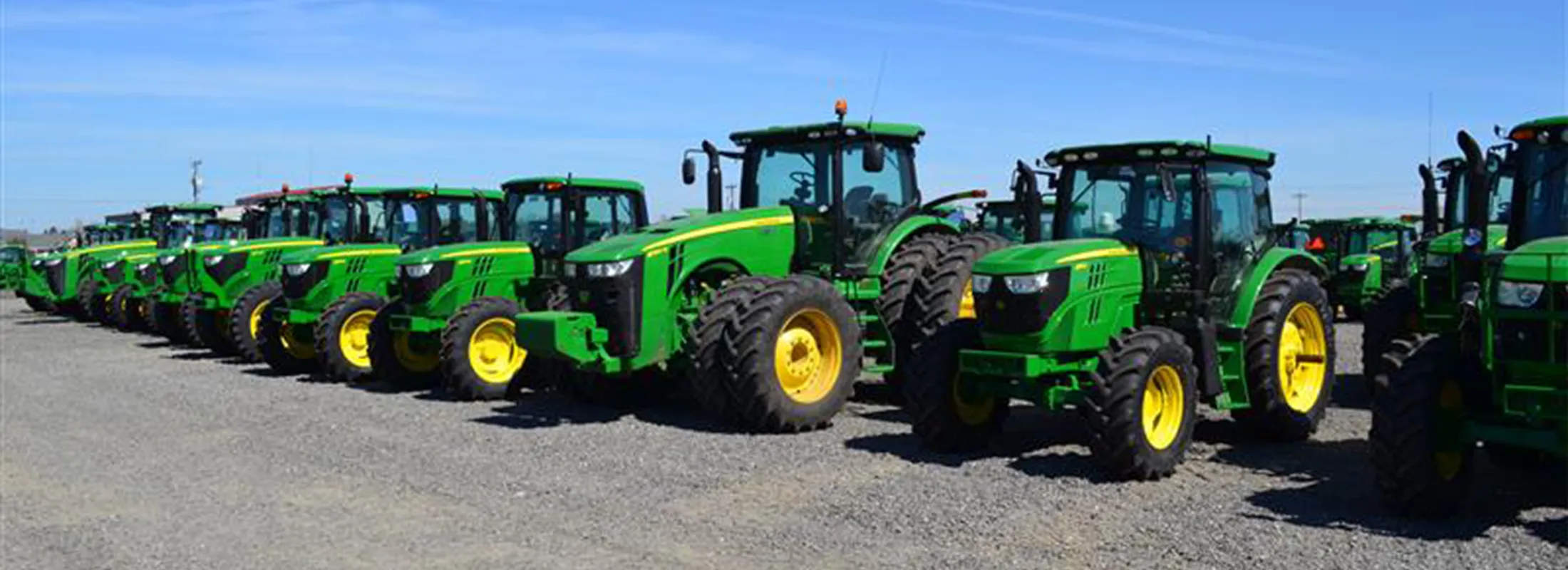
For example, a $200,000 tractor coupled with Section 179 could result in an estimated after-tax cost of $130,000, reflecting $70,000 in estimated tax savings. This sample calculation assumes a tax bracket of 35%.
The calculator provides a potential tax scenario you can use to gauge the various ways Section 179 can impact your bottom line. Talk to your tax adviser to determine how the indicated tax treatment applies to your equipment purchase.
Other takeaways
Although tax incentives like Section 179 and bonus depreciation can be beneficial, these provisions should only be used in situations that make long-term financial sense for your operation. When replacing equipment, eligible deductions may apply to the value of both the trade-in asset and any additional cash paid toward the purchase, potentially increasing the available deduction. That’s why it’s important to always consider your tax circumstances and cash flow requirements when using these tools.
Before making any large capital purchases, it’s a good idea to consult with an accountant or tax adviser to ensure deductions are claimed according to the Section 179 code. Keep in mind that not all states conform to federal increases in expensing limitations or the federal treatment of bonus depreciation provisions. In addition, Section 179 and bonus depreciation generally are not available for property purchased from related parties, such as a spouse, child, or grandparent. Consult your tax adviser to determine how these rules may apply to your situation.
To learn more about financing and leasing equipment with Section 179, contact your nearest AgDirect territory manager or the AgDirect Finance team at 888-525-9805.